A 3-Step Plan to Finish The Year Well
Make the most of your holidays, and start the next year even better.

Every year has a familiar rhythm. Work builds through the year, momentum picks up, but the final stretch of summer (speaking to Australians here) can be the biggest challenge to finish well. We call it the 'silly season', but for business owners, December can be more stressful than we let on.
You're juggling clients, family events, and a calendar that feels fuller than you expected. It’s meant to be a season of wrapping up and celebrating, but the sprint to the finish can leave you tired. And not the good kind of tired, but the foggy, stretched-thin kind.
This is usually when the quiet pressure kicks in. You start telling yourself you’ll use the Christmas/New Years break to “finally catch up”, meaning:
Reset the business...
Plan the next twelve months…
Read those books piling up by the armchair you never got around to…
Fix a system or two…
Spend quality time with family...
Oh, and rest…
It’s a well-intentioned plan, but it rarely works.
Talking to business owners, and reflecting on my own failed breaks, here's what I've realised: Most people start January feeling behind because they never truly close out the year they just lived.
When we carry unfinished work, loose ends, and unrealistic expectations into our holidays, we set ourselves up to fail. Without the clarity that comes from a proper reset, everything feels urgent, and when everything feels urgent, rest becomes the first thing to disappear.
If we don’t schedule what matters, the urgent will always take over. The same is true even when we’re on holidays.
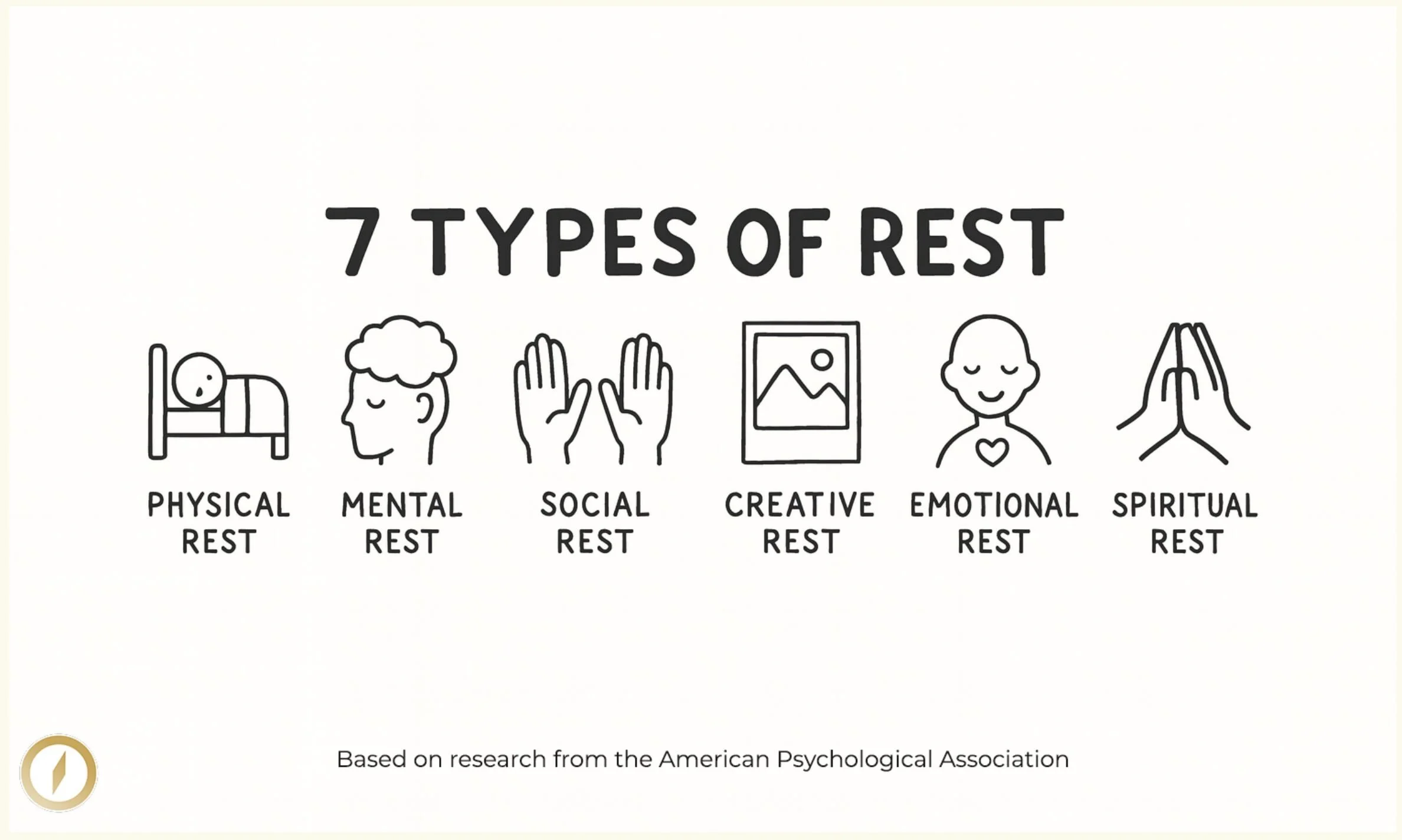
A thought on reframing rest, and being intentional about it
When you’ve spent months making decisions, solving problems, and carrying the mental load of a business, you can’t think clearly without a circuit break to step back.
Coach Michael Hyatt said it best: “rest is not the reward for hard work, it’s the condition of hard work.”
Good rest restores focus, sharpens your thinking, and gives your brain the space it needs to process the year you’ve just lived.
But rest doesn’t happen automatically.
If your holidays fill up with tasks, people, plans, and pressure, you won’t feel refreshed, you’ll simply feel busy in a different way.
Understanding rest is the starting point to setting up the next year to be your best one ever. It’s recognising that the goal isn’t to squeeze productivity into your break, but to recover the clarity and energy you need for whats ahead.
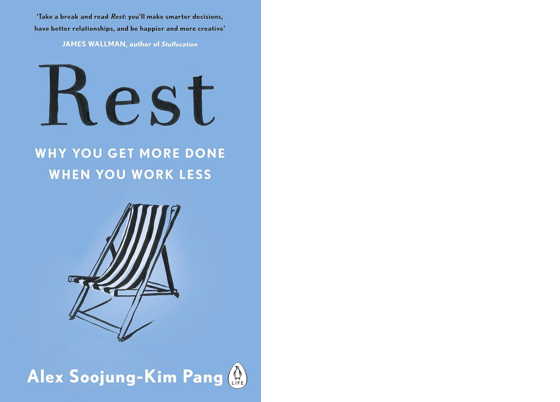
"Rest is not something that the world gives us. It’s never been a gift. It’s never been something you do when you’ve finished everything else. If you want rest, you have to take it. You have to resist the lure of busyness, make time for rest, take it seriously, and protect it from a world that is intent on stealing it."
— Alex Soojung-Kim Pang, author of Rest.
How to finish the year well, and start the next one even better
Here's my 3-step plan that I take our Coaching clients through during December:
1. Conduct an End-Of-Year Review
Before you close out the year, take a moment to do a mental clean up and close the loops in your mind from the year.
Use our Leader Guide End Of Year Review questionnaire to walk you through what worked, what didn’t, what surprised you, and what you’ve learned in your business and in your life. Many business owners feel clearer after simply writing down the things they know they want to improve. When you complete a short questionnaire, it will generate your responses into a PDF that you can keep for future recall.
This exercise doesn't take long to do. It's not a formal report, it's a self reflection and opportunity to reframe what's occurred over the year to be in a better mindset to start the next.
Alternatively—download the fillable PDF template here.

2. Design your break (with realistic goals)
A good break should recharge your mind, reconnect you with people you love, and remind you who you want to be heading into the new year. Most people drift into their break and then wonder why it didn’t feel restful. A simple plan helps you avoid that.
We've created a tool to help: The Holiday Planner template will help you plan your downtime.
Create an intention list and then consider, realistically, how much time you can or need to allocate to each item. Instead of trying to 'catch up' on everything, give yourself permission to cull some things off your list and switch off properly so that you come back with energy for the new year.
The goal isn’t to schedule every minute of your break. It’s to put guardrails around what matters most: rest, relationships, and the things (e.g. hobbies) that bring you joy.

3. Create A 90-Day Plan for the new year
The new year is one of the strongest ‘temporal landmarks’ that we get. There’s a reason why most people sign up to the gym in January. Motivation is higher, your mind is clearer, and it’s the ideal moment to reconnect with your personal mission and goals.
But instead of trying to map out the whole year in one go, ask yourself: “What would make the next 90 days a win?”
Choose the three key outcomes that move the dial on your goals and plug them into your Leader Guide planning tools, like the 90 Day Qtly Plan or Monthly Compass Coaching Tool. We suggest doing this in the first week of January, after your break.
A tight 90-day plan gives you direction to start the year focused and just enough time pressure to motivate you. When you finish the year well, plan your break well, and refocus with intention, you arrive in January ready to go, instead of needing another holiday.
In summary: Finishing the year well isn’t about doing more, it’s about choosing what matters. Take the time to close the year you’ve just lived, design a break that genuinely restores you, and set a simple plan to arrive into the new year rested and ready to win.
If you're a Leader Guide Coaching client, book in an End Of Year review session.
Written by Lachlan Nicolson.
Related reading: 3 reasons taking a break is good for your business
Listen to this Insight: